
Fixing Competitor Pricing Data Gaps for a Major Books Distributor


Ficstar helped Baker & Taylor, a long-established books distributor headquartered in Charlotte, North Carolina (US), build a reliable pipeline for competitor pricing data so their team could keep up with fast-moving price changes across competitors’ websites.
Baker & Taylor is best known for distributing books, but their broader distribution footprint has also included digital content and entertainment products. The goal of this engagement was clear: deliver accurate, consistent competitor pricing data frequently enough to support real pricing decisions, not stale reporting.
Because Baker & Taylor operates at enterprise volume, shipping 1M+ unique SKUs annually and offering 1.5M+ titles, this wasn’t a small scrape. It required repeatable extraction, high match accuracy, and a cadence that could keep pace with daily market movement.
Quick facts about Baker & Taylor
Year founded: 1828
Unique SKUs shipped annually: 1M+
Titles offered: 1.5M+
Titles stocked: 385K
What Competitor Pricing Data Baker & Taylor Needed

For competitor pricing data to be usable, it needed product identifiers that allow confident matching across competitors and internal catalogs.
For books and book-like items, that commonly includes: title, author, publisher, ISBN, format/edition, dates, price (and when visible, promo/discounted price)
Across the broader catalog, pricing records also needed to stay tied to the right product listing and variant, because competitors don’t present products consistently, and identifiers can vary by site, format, and merchandising layout.
The Challenge: The Data Was Too Infrequent and Kept Breaking
Baker & Taylor initially hired a provider to collect competitor pricing data, but the provider could only pull data twice a month, while Baker & Taylor needed it daily.
The provider also struggled with continuous competitor-site changes. By the time algorithms were adjusted, competitors had already updated layouts, pricing logic, or page structure again, causing ongoing instability.
After working with two providers that charged premium fees yet delivered inconsistent results, Baker & Taylor still faced the same issue: they couldn’t reliably keep up with competitor pricing changes.
Why This Was Complex: Volume + Matching + Constant Change
At this scale, competitor pricing data gets difficult fast:
High volume: A large catalog means lots of SKUs to track and refresh.
Identity matching: A “price” only matters if it’s correctly attached to the right item (especially for books where title/author consistency is critical, and for other media where listings can differ by format/version).
Website volatility: Competitor sites change frequently—pricing modules, page templates, and anti-bot controls can all disrupt extraction.
Data consistency requirements: Even small error rates create large downstream issues when you’re monitoring pricing across thousands (or more) of items.
The Solution: A Managed Daily Competitor Pricing Data Feed (Daily + Weekly Delivery)

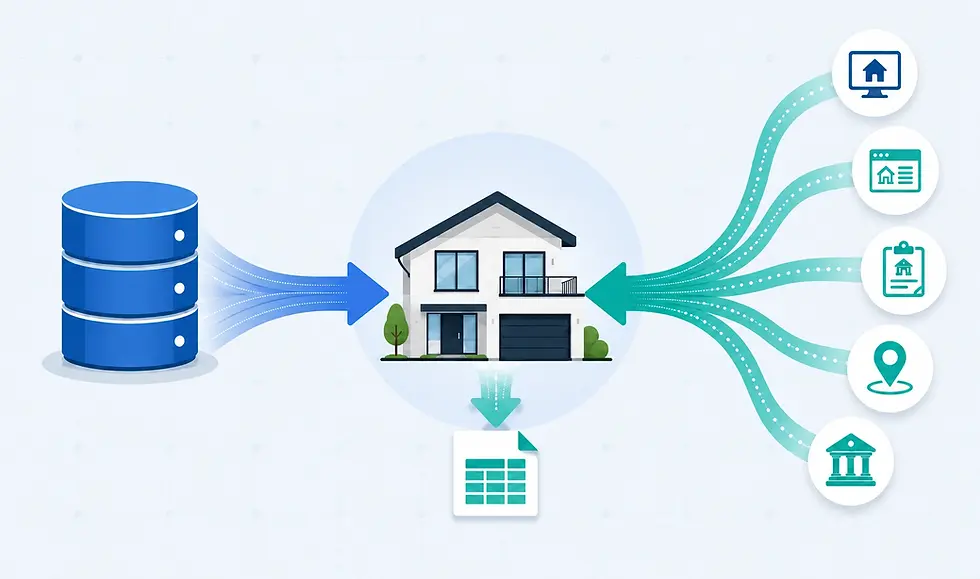
Ficstar implemented a customized solution that collected and delivered competitors’ price data daily and weekly, in the formats Baker & Taylor requested—at a lower cost than previous providers.
Baker & Taylor began receiving reliable competitor pricing data that was accurate and consistent enough for ongoing competitor price monitoring and confident pricing decisions.
“Ficstar’s customer-focused approach, and genuine interest in what Baker & Tayler needed made it immediately apparent Ficstar was a partner that genuinely wanted to understand our needs and provide the solutions in the format and with the frequency that worked best for us.” Margaret Lane | Vice President of Retail Sales at Baker & Taylor
The Result: Better Pricing Support for Baker & Taylor’s Customers
With dependable competitor pricing data in hand, Baker & Taylor could consistently provide customers with the information they needed to make strategic decisions—especially when adjusting pricing within defined parameters.
Their customers valued that Baker & Taylor could provide competitive pricing context they could act on, rather than delayed or inconsistent snapshots.
“Ficstar will always be our provider of choice when it comes to superior, quality data collection and smooth, seamless customer service. Whenever someone asks for a referral to a data mining and data extraction provider, I recommend Ficstar without hesitation.” Margaret Lane | Vice President of Retail Sales at Baker & Taylor
What Pricing Teams Can Take From This Competitor Pricing Data Case Study
If your pricing team relies on competitor pricing data, this story highlights a common reality:
Cadence matters: Twice-monthly data can’t support daily pricing decisions.
Accuracy depends on identifiers: Titles/authors (and other product attributes) are essential for correct matching—not just “a price scrape.”
Reliability requires proactive maintenance: Competitor sites change constantly, and pricing intelligence pipelines must be managed like production systems—not one-time projects.
If you're running web scraping at enterprise scale and want to understand how data quality assurance fits into a fully-managed service, Ficstar's web scraping services include QA as a core part of delivery, not an afterthought.
FAQ
What is competitor pricing data?
Competitor pricing data is structured information collected from competitor channels that shows how competitors price comparable items over time, usable for monitoring, benchmarking, and pricing decisions.
How do you collect competitor pricing data for a large book catalog?
Most teams use a repeatable pipeline that:
Defines the catalog scope (which SKUs/titles, formats, and competitors matter most)
Standardizes identifiers (e.g., title + author + format; optionally ISBN when available)
Extracts pricing daily (list price, promo price, availability signals when visible)
Normalizes and validates the output (consistent fields, currency, units, duplicates removed)
Delivers clean files (CSV/JSON/API) on a schedule that matches pricing velocity
For enterprise catalogs, success depends less on a one-time scrape and more on ongoing monitoring, QA, and change management.
What fields should competitor pricing data include?
At minimum: a stable product identifier + competitor price. For books, that typically includes title, author, and price; for broader catalogs, it includes the attributes needed to match the correct item and variant consistently.
Why do competitor pricing data feeds become unreliable?
Common causes include competitor site changes, inconsistent product identifiers across sites, and lack of proactive monitoring and maintenance—leading to broken runs, gaps, and mismatched records.
If you want, I can also add a tight “Data captured” callout box (great for skimming + SEO) that lists fields for (1) books and (2) non-book catalog items without over-specifying attributes you didn’t collect.


Comments