
Availability, Lead Time, and Price Tiers: The Three Layers of True Pricing Intelligence


Why do businesses still lose sales even when their prices look competitive? The problem is that price alone rarely tells the full story. True pricing intelligence goes deeper by analyzing three critical layers: availability, lead time, and price tiers.
Availability shows whether a product can be purchased, lead time shows how quickly it can reach the buyer, and price tiers show how costs shift with order volume. Together, these layers provide a far more accurate view of real market competitiveness.
Understanding them helps businesses make smarter pricing and inventory decisions. With that in mind, we’ll discover how these three layers transform pricing intelligence into a strategic advantage in this guide.
Layer 1: Availability
Understanding Stock Dynamics
Availability is the foundation of pricing intelligence because a product’s price matters only if it can be purchased when needed. For enterprises, monitoring availability isn’t just about checking stock; it’s about building an operational map of supply reliability and risk mitigation.
In-stock vs Out-of-stock
According to a report by the IHL Group, global retailers lose nearly $1 trillion every year due to out-of-stocks. A low price is meaningless when a product is out of stock. Buyers searching online or through distributors may see attractive pricing but encounter delays due to unavailable inventory.
Companies implement automated inventory data ingestion systems that pull real-time stock status from multiple suppliers and marketplaces. These systems normalize variations such as “In stock,” “Ships in 3 days,” or “Backorder” into structured signals. This structured dataset allows integration into ERP and planning tools, enabling real-time demand forecasting and dynamic procurement strategies.

Regional Availability
Stock levels vary by region. A warehouse in Europe may have products ready to ship in days, while the same SKU in Asia could take weeks. Multi-region scraping collects availability data from different regional websites or marketplace endpoints, and pipelines associate availability with geographic identifiers.
Enterprises use geospatial tagging of SKUs and warehouse locations, integrating these with transport networks and historical fulfillment data. This allows predictive modeling of delivery feasibility and inventory allocation, helping enterprises minimize shipping costs while ensuring timely fulfillment.
Case Study:
Ficstar helped a major U.S. tire retailer track pricing, stock, and shipping for 50,000 SKUs across 20 competitors. Automated pipelines normalized the data, revealing which suppliers had immediate stock and enabling faster pricing adjustments.
Minimum Order Quantity (MOQ) Impact
Some suppliers offer lower unit prices but require large purchase volumes, with bulk-order discounts often 5–30% lower per unit for larger quantities than for smaller orders.
Advanced pricing intelligence platforms extract MOQ thresholds and tiered pricing tables, then compute effective per-unit costs while factoring in inventory holding costs, financing, and supply chain constraints. Integration with procurement systems enables automated alerts when purchasing at optimal quantities to improve cost efficiency without overstocking.
Layer 2: Lead Time
Balancing Cost and Speed
Lead time adds a time dimension to pricing intelligence because the real value of a deal depends on how quickly the product can be delivered.
Delays can disrupt production schedules, sales timelines, or increase inventory costs. Businesses may prefer a slightly higher-priced product if it can be delivered quickly.
Capturing and Normalizing Lead Time
Web scrapers collect shipping estimates and fulfillment details from supplier websites. Text-based lead times such as “2–3 days” or “ships in 2 weeks” are normalized into numeric metrics, which are then integrated with pricing and availability data. Systems can calculate total cost, including inventory holding costs due to delays, allowing accurate supplier comparisons.
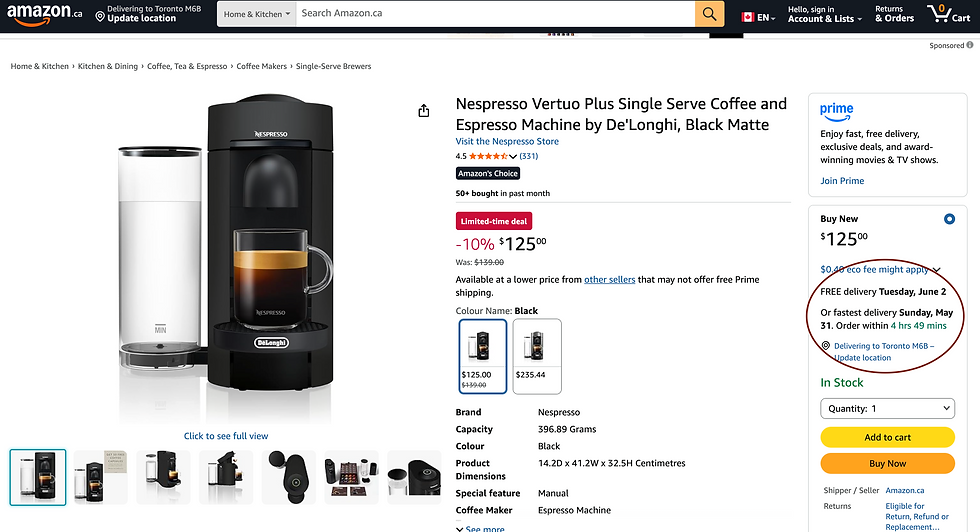
Advanced pipelines use Natural Language Processing (NLP) to parse unstructured lead time information, mapping textual descriptions to standardized numeric estimates. These data points integrate with predictive supply chain models to optimize vendor selection, balancing cost, speed, and reliability.
Case Study: Quick-Service Restaurant
A North American quick-service restaurant network needed insights into supplier conditions across multiple platforms. Ficstar built a custom pipeline that aggregated product listings, normalized lead times, and combined them with price and stock data, enabling rapid procurement decisions to maintain operational continuity.
Integration into Pricing Systems
Modern pricing intelligence platforms track lead times alongside stock and price, highlighting suppliers that offer the optimal balance of cost and speed.
Integrate lead time data into dynamic decision engines that calculate total landed cost, factoring in transport variability, regional customs delays, and seasonal disruptions. This helps enterprises adjust procurement plans dynamically, ensuring business-critical operations are not interrupted.
Layer 3: Price Tiers
Understanding Quantity and Stock-Based Pricing
Price tiers reveal how costs shift depending on order quantity, stock conditions, and supplier strategy. Ignoring tiered pricing can mislead businesses about true competitiveness.
Price by Quantity

Unit prices often decrease as order volume increases, so a competitor may appear cheaper at first glance, but only for bulk orders.
Automated pipelines scrape pricing tables for multiple quantity levels and normalize them, calculating effective per-unit costs including freight, handling, and customs duties. Alerts notify pricing teams of tier changes in real time, ensuring decisions reflect current market conditions.
Freight and Ancillary Costs
Shipping fees, handling, and customs duties affect the true cost of a product. Pipelines integrate these costs into the analysis to provide realistic comparisons between suppliers and regions.
Integration with transportation management systems (TMS) allows automated calculation of landed costs per SKU, which feeds into pricing optimization and sourcing strategies.
Enterprises can simulate “what-if” scenarios, such as switching suppliers or regions, to optimize the total cost of ownership
Dynamic Price Adjustments
Suppliers adjust prices frequently based on stock levels, demand shifts, and competitor activity. Continuous monitoring pipelines detect these changes and feed them into analytics dashboards, allowing businesses to adjust pricing strategies quickly and accurately.
Predictive analytics models alert procurement and pricing teams when sudden changes in tiered pricing are likely. Automated notifications trigger reviews or dynamic rule-based adjustments in pricing engines, reducing response time to market volatility and improving margin protection.
How Ficstar Powers True Pricing Intelligence
Collecting random price points is not enough. True pricing intelligence requires multi-layer, structured data: availability, lead time, and tiered pricing.
Automated Pricing and Market Data Collection
Ficstar gathers pricing data from e-commerce sites, distributors, and marketplaces using advanced web scraping technologies. These automated crawlers extract key information such as product prices, SKUs, discounts, and stock status from selected websites.
The system can monitor thousands of products and competitors in real time, so businesses always know how their prices compare in the market.
Case Study:
Reliable pricing data is essential for competing in large online marketplaces. For example, Ficstar partnered with Baker & Taylor, a major distributor of books and entertainment products, which needed consistent competitor pricing data from multiple online sources.
Ficstar implemented an automated data collection solution that gathered and structured pricing information for analysis. With clearer visibility into market pricing trends, the company could respond faster to competitor price changes and strengthen its overall pricing strategy.
Multi-Layer Intelligence
Ficstar’s data pipelines are designed to collect more than just price tags. They capture a wider set of competitive signals, including product availability, inventory status, and multi-tier pricing structures.
These data points help organizations evaluate the real cost of purchasing or selling a product. Businesses can then analyze price differences while considering stock levels, delivery timing, and quantity discounts for better decision-making.
Enterprise-Grade Data Pipelines for Reliability and Scale
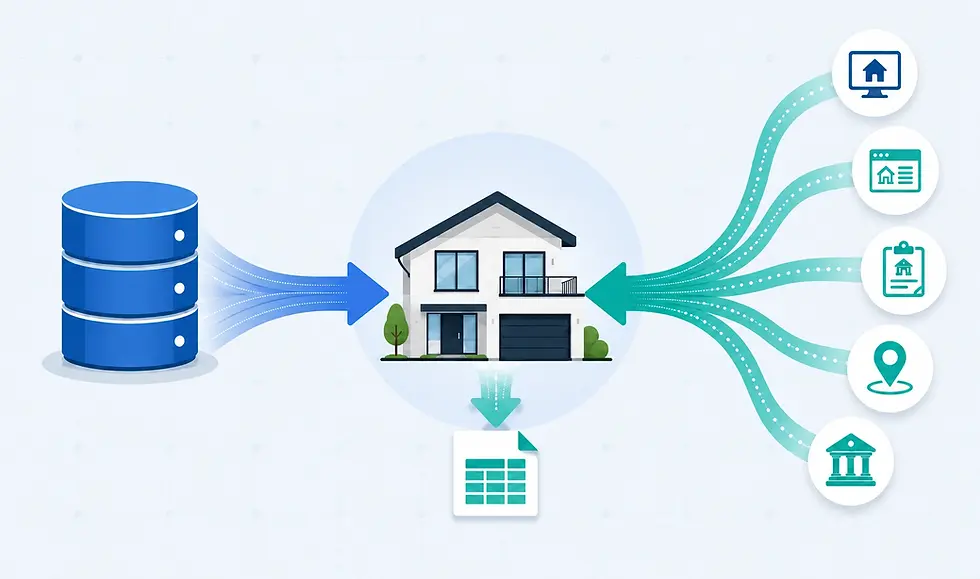
Large enterprises require a stable and scalable data infrastructure. Ficstar delivers fully managed data pipelines that collect, clean, and normalize pricing data before delivering it in formats ready for internal systems such as ERP platforms or analytics dashboards. The system also performs dozens of quality checks to ensure data accuracy and consistency.
High-frequency data refreshes and fault-tolerant pipelines ensure enterprises maintain a competitive edge by always working with the most up-to-date market intelligence.
Turn Pricing Data into Real Competitive Advantage
Many pricing teams collect large amounts of competitor data, yet still struggle to turn it into reliable insight. The real challenge here isn’t a lack of information; it’s the collection of complete and trustworthy data across multiple layers.
Most scraping tools focus only on capturing list prices, which leaves major gaps. And Ficstar helps cover them.
We provide fully managed enterprise web scraping services designed to deliver accurate, structured, and decision-ready data. Our team identifies the right data sources and provides clean datasets that integrate directly into your systems.
So, if you’re struggling to turn pricing data into actionable insights, start your free trial with Ficstar today!


Comments