
Best Ecommerce Price Extraction Solutions 2026


In online retail, prices no longer sit still. For instance, a product that costs $49 at breakfast might be $46 by lunch and $52 by dinner. For pricing teams, that reality has turned competitor tracking into a race against time.
This is why online retail price monitoring has become one of the most powerful tools inside e-commerce organizations.
Yet behind every dashboard and every pricing decision sits a far more complex problem. Where does the data actually come from? How is it collected from thousands of constantly changing websites? And many more.
But if you stay till the end of this article, you’ll have all your questions answered in no time. So, let’s get started.
What Is Real-Time Price Extraction in Online Retail?

Real-time pricing tracking for e-commerce refers to automatically pulling up-to-date pricing information from e-commerce websites. Unlike manual checks, real-time extraction lets pricing teams see competitor prices as they change throughout the day.
Without real-time online retail price monitoring, pricing teams end up reacting too late. That is why modern e-commerce businesses rely on automated price extraction rather than manual checks.
There is also strong evidence that this approach pays off. McKinsey reports that companies using dynamic pricing based on real-time market data can improve profits by 2% to 7% because they react faster to demand changes.
SaaS vs Custom Web Scraping: What Actually Works in 2026
By 2026, most pricing teams have learned that there is no single “best” way to collect competitor prices. The right approach depends on how complex your catalog is, how often prices change, and how accurate your data needs to be.
Here’s a table to make the difference between the two clear:
Factor | SaaS Price Tracking Tools | Custom Web Scraping Services |
Accuracy | Good for simple, well-matched products, but errors are common with bundles and variants | High accuracy because the extraction and matching rules are built specifically for each site |
Data Freshness | Usually updated once or a few times per day | Can be updated many times per hour for real-time price tracking |
Scalability | Works well for small to mid-size catalogs, but becomes costly and less reliable at a large scale | Designed to handle tens or hundreds of thousands of SKUs across many sites |
Product Matching | Mostly automated, which leads to mismatches when names or formats differ | Uses custom logic to match exact products, including variants and bundles |
Geo-Pricing Support | Limited, often captures only one regional price | Can collect prices from multiple countries, cities, or IP locations |
Promo & Discount Tracking | Often misses flash sales, coupons, or bundled offers | Captures base prices, discounts, bundles, and stock-based changes |
Cost Considerations | Lower upfront cost, but can become expensive as the SKU count grows | Higher setup cost but better value for large-scale, long-term tracking |
Best For | Small teams tracking a limited number of competitors | Enterprises needing deep, real-time competitive pricing data |
Top 4 SaaS Price Tracking Tools for 2026
SaaS price tracking tools are cloud-based systems that provide online retail price monitoring through a single login. Users can search for products, map competitors, and see price changes over time in visual dashboards.
The tools below represent some of the most widely used SaaS price tracking platforms in the market today.
1. Price2Spy

Price2Spy is a cloud-based price intelligence platform used by online retailers and brands to monitor competitor pricing. It allows teams to track how their products are priced across different online stores and receive alerts when prices change.
The platform is designed for companies that want a structured way to manage pricing. It works especially well for companies that sell standardized products with clear SKUs and stable listings.
Key Features
Price Tracking: Competitor prices are collected across selected online stores, so teams can compare them with their products.
Change Alerts: Whenever a rival changes pricing, the system notifies users so they can react quickly.
Price History: Long-term pricing trends are stored and visualized, which helps identify patterns.
Product Matching: Similar products from different stores are linked together to compare products side-by-side.
2. Prisync

Prisync is a popular SaaS price tracking tool focused on helping online retailers stay competitive. It automatically monitors competitor prices and provides insights that help merchants adjust their own pricing strategy.
Many small and mid-sized stores running on platforms like Shopify or WooCommerce use this tool. With it, users can add products, assign competitors, and begin tracking prices within a short time.
Key Features
Competitor Prices: Pricing data from rival stores is continuously collected, so teams always know where they stand in the market.
Price Alerts: Notifications highlight important pricing changes so teams can act quickly.
Store Sync: E-commerce platforms like Shopify and WooCommerce connect directly for smoother data flow.
Price Reports: Market pricing data can be exported to support internal analysis and decision-making.
3. Minderest

Minderest is a pricing and brand intelligence platform used by retailers and manufacturers. It tracks competitor prices across marketplaces, brand websites, and retailers while also helping brands ensure their products are priced correctly across channels.
The platform goes beyond basic price tracking by providing price indexes and competitive benchmarks. It is best suited for companies that sell through multiple retailers and want to monitor both pricing and brand positioning.
Key Features
Brand Control: Brands can verify whether sellers adhere to pricing policies and remain within approved price ranges.
Price Index: A pricing index shows how your products compare to the overall market.
Retailer View: Individual retailers can be analyzed separately for better channel insight.
Trend Reports: Competitive pricing trends are displayed over time to support strategy planning.
4. Skuuudle

Skuuudle is built for retailers that manage large and complex product catalogs. It uses AI-driven product matching to track prices across many competitors, even when product names or formats differ.
The platform helps teams identify price gaps, promotion activity, and market trends. However, Skuuudle still depends on automated systems, which means some human review is still needed for accuracy.
Key Features
AI Matching: Products from different stores are matched even when names or formats do not align exactly.
Market Prices: Real-time competitor pricing is displayed to reveal gaps and opportunities.
Promo Tracking: Discounts and promotional offers are captured alongside base prices.
Catalog Scale: Large product catalogs can be monitored without manual setup.
5 Best Custom Web Scraping Services in 2026
Custom web scraping services are built for companies that need deeper, more reliable pricing data. In fact, companies that use price scraping for competitive insight have reported revenue growth of 5–20% and profit margin improvements up to 6%.
With that said, here are the best custom web scraping services that you can use in 2026:
1. Ficstar

Ficstar is an enterprise-grade web scraping service focused on competitive pricing and product data. Access reliable, real-time web data across thousands of sources with a fully managed enterprise web scraping services. Designed for large-scale data needs, Ficstar data solutions help pricing teams move faster, stay informed, and act with confidence.
Unlike SaaS tools, Ficstar designs each pipeline around the exact sites and product structures a business needs to monitor. This approach allows Ficstar to deliver highly accurate, high-frequency data that pricing teams can rely on.
Key Features
Custom Scraping: Pricing data is collected using pipelines built specifically for each competitor website, which allows even protected pages to be monitored.
Geo Pricing: Prices are gathered from multiple locations to help businesses understand how the same product is priced in different regions.
Promo Capture: Discounts, flash sales, and bundle offers are extracted alongside base prices to show the real competitive landscape.
Live Updates: Pricing information is refreshed many times per hour, which supports near real-time market tracking.
2. Bright Data

Bright Data provides web data collection infrastructure and managed scraping services. It is widely used by enterprises that need large volumes of structured data from the web, such as e-commerce pricing data.
For companies seeking flexible access to web data across many websites, Bright Data is well-suited. The best part is that its infrastructure is designed to handle high volumes of requests and complex websites that block basic scraping tools.
Key Features
Web Crawling: Large numbers of retail websites can be accessed and scraped for pricing data.
Proxy Network: Global IP coverage allows data collection from different regions without blocks.
Retail Feeds: Structured pricing data is delivered for use in analytics systems.
Data APIs: Pricing information can be accessed programmatically for integration.
3. Zyte

Zyte provides web scraping and data extraction tools that help companies automate large data collection projects. The tool offers smart proxy management and automatic extraction features that simplify scraping from dynamic websites.
It is often used by companies that need flexible data pipelines without building everything from scratch. So if you’re looking for a balance between control and ease of use, then Zyte might be the ideal choice for you.
Key Features
Smart Proxies: Access to pricing pages is handled through rotating IPs, which helps avoid blocks and restrictions.
JS Rendering: Dynamic retail sites are fully loaded before prices are collected, so nothing important is missed.
Auto Extraction: Product and price data are pulled in a structured format without manual parsing.
Crawl Control: Scraping jobs can be scheduled or triggered when needed.
4. Apify

Apify is a cloud-based web scraping and automation platform that enables companies to build custom crawlers to collect e-commerce data. It provides templates and APIs that make it easier to scrape product and price information from online stores.
The platform is popular among technical teams that want full control over how data is collected and processed. Even though the platform is flexible, it requires more setup and technical knowledge than managed services like Ficstar.
Key Features
Custom Crawlers: It allows teams to build web crawlers customized to specific e-commerce sites.
Cloud Runs: Scraping jobs run on Apify’s cloud infrastructure, so companies do not need to manage their own servers.
Ecom Templates: Pre-built scraping templates help teams collect pricing and product data from popular online stores faster.
API Access: Collected pricing data can be pushed into internal systems, dashboards, or pricing tools through APIs.
Web Scraping Pricing Data Flow Diagram (Conceptual Explanation)
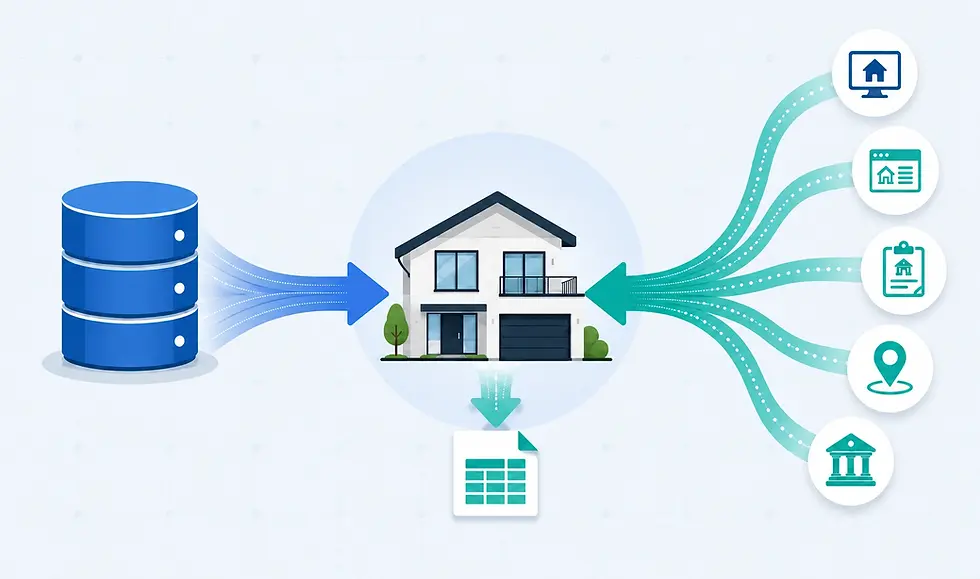
This flow explains how competitor pricing data moves from online stores to the people who make pricing decisions. Think of this as a web scraping pricing data flow diagram, written in words.
Step 1: Retail Websites
The journey starts at the source: online retail sites. These include marketplaces like Amazon and Walmart, brand stores, and other e-commerce platforms. Scraping systems access these pages to capture live pricing information, including sales, discounts, and stock details.
Step 2: Price Extraction Layer
Once the target URLs are identified, the price extraction layer pulls the raw HTML or rendered content from the pages. This is where the scraper identifies pricing elements, product IDs, and other relevant details.
Many extraction processes use locators like XPath or CSS selectors to locate the exact pricing fields on each page.
Step 3: Data Cleaning and Normalization
Raw price data is often messy and inconsistent. Cleaning involves removing duplicates, correcting formatting issues, and standardizing values across sources. This is where normalization ensures that prices from different sites are comparable.
For example, converting currencies or aligning how discounts are represented. This step turns unstructured strings into consistent, analyzable records.
Step 4: Validation and Anomaly Detection
Before price data is used, it needs to be validated. This means checking for errors, missing values, or unexpected spikes that could indicate extraction problems. Anomaly detection algorithms flag outliers so that data quality teams can correct or discard suspicious entries.
Step 5: Online Retail Price Monitoring Dashboard
Clean price data is then fed into dashboards and analytics platforms. These interfaces enable pricing analysts to visualize trends, compare competitor prices side-by-side, and track price movements over time.
Tools designed for online retail price monitoring often include filters for categories, brands, regions, and time windows to make analysis actionable.
Step 6: Pricing and Revenue Team Decisions
The final stage is where this data meets business strategy. Pricing and revenue teams use the structured insights to make decisions, such as adjusting prices, responding to promotions, or refining assortment strategies.
How Pricing Teams Use This Data
Once pricing data is flowing into dashboards and analytics tools, it becomes the foundation for daily pricing decisions. Web-scraping companies use this information to stay competitive, protect profits, and plan future product strategies.
1. Repricing
Pricing teams use live competitor prices to adjust their own prices quickly. If a competitor drops a price on a key product, the team can respond before sales are lost. If competitors raise prices, the team can increase its own price without risking demand. This is one of the most direct uses of real-time price tracking for e-commerce.
2. Margin Protection
Price data helps teams avoid racing to the bottom. By observing how competitors price similar products, companies can avoid unnecessary discounts and keep profit margins stable. This is especially important when costs change or when promotions are running in the market.
3. Promotion Response
When competitors launch flash sales, bundles, or limited-time discounts, pricing teams can see those changes as they happen. This allows them to decide whether to match the offer, create a counter-promotion, or hold their price if demand remains strong.
4. Assortment Strategy
Over time, pricing data shows which products are highly competitive and which are not. Teams use this insight to decide which items to promote, reposition, and remove from their catalog. This helps align product mix with market demand.
5. Competitive Pricing Analysis for E-Commerce
All of this data feeds into competitive pricing analysis for e-commerce. Teams use historical and real-time prices to understand how they compare to the market, spot pricing trends, and build smarter long-term pricing strategies that support growth instead of guesswork.
Summing Up
If you sell online, pricing data affects every part of your business. Your sales, your margins, and even your product visibility depend on how fast and how accurately you see what competitors are doing. That is why real-time price tracking for e-commerce is no longer optional.
However, if you deal with many SKUs, promotions, marketplaces, or regional pricing, you will need something stronger. That is where custom web scraping services come in. Ficstar is one example of a provider that helps large retailers collect and process pricing data at scale.
Remember, the key is to choose a solution that fits how your business actually is and not what might look shiny from the outside.
FAQs
1. How often should competitor prices be tracked in e-commerce?
For fast-moving markets, prices should be tracked at least every few hours. Many large retailers change prices multiple times per day. If your products are highly competitive, hourly or near real-time tracking helps you avoid falling behind and losing sales or margin.
2. Can SaaS tools track prices on Amazon and Walmart?
Yes, most SaaS price-tracking tools support major marketplaces such as Amazon and Walmart. However, they often struggle with marketplace sellers, dynamic pricing, and frequent promotions. Data can be delayed or incomplete compared to custom scraping systems.
3. Why do competitor prices look different in different locations?
Many retailers use geo-pricing. Prices vary by country, city, or even user profile. Taxes, shipping, local competition, and demand all affect pricing. That is why advanced online retail price monitoring systems collect prices from multiple locations.


Comments